Welcome to our Tips & Tricks blogs! Explore expert advice, practical tips, and clever solutions to help you run your foodservice or beverage operation more efficiently. From equipment maintenance to workflow improvements, these tips make your job easier.
If you've shopped for a fryer, refrigerator, or ice machine, you've probably seen a small UL or ETL mark on the spec sheet or data plate. Both marks tell you the same thing: the equipment was tested by an independent lab and meets North American safety standards.
Bar owners are typically familiar with the three primary draft system options — direct draw, air-cooled, and glycol — though selecting the right one for a specific space often depends on a few key factors. This guide breaks the decision down into three questions. For a full technical breakdown of how each system works, including keg types, gas selection, and line sizing, see our Draft Beer System Quick Reference Guide.
"ADA compliant" shows up on sinks, faucets, and signage throughout the foodservice industry — but what does it actually mean for your kitchen? This guide breaks down the height, clearance, and faucet requirements that keep your handwashing stations and guest-facing areas accessible and up to code.
Choosing the right walk-in cooler isn't just about picking a size off a shelf. Get it wrong and you're either constantly running out of storage space or paying to cool a room that's half empty. Here's a straightforward guide to help you size a walk-in cooler that actually fits your operation.
Whether you're running a hotel breakfast bar, a busy cafeteria, a catered banquet, or a family-style restaurant, a well-organized buffet and self-serve station can be the difference between a seamless dining experience and a frustrating bottleneck. The right commercial buffet equipment not only keeps food at safe serving temperatures - it elevates presentation, reduces labor costs, and keeps guests coming back.
When kitchens start moving beyond traditional nonstick cookware, it’s rarely about just one factor. Durability, cooking performance, and growing awareness around coatings all play a role. Today, there are several reliable alternatives that deliver excellent results - many without relying on synthetic nonstick layers at all.
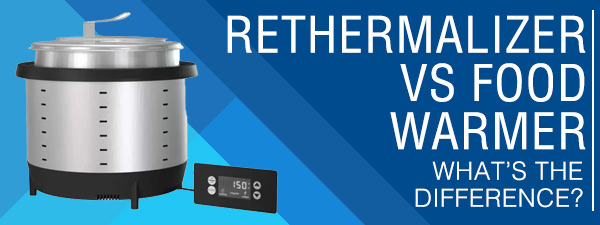
In many commercial kitchens, reheating and holding food are part of the same daily workflow - but they require very different equipment. Understanding the difference between a rethermalizer and a food warmer can help improve food safety, consistency, and overall efficiency.
This guide breaks down how each piece of equipment works and when to use it, along with a look at newer induction options designed to simplify the process.
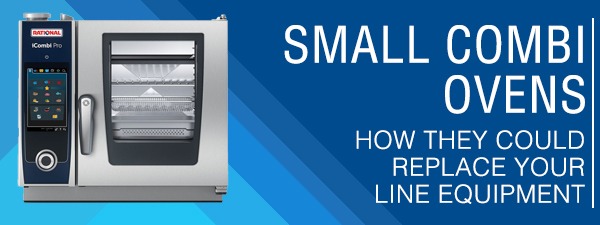
Running a small kitchen comes with unique challenges. Limited space, fewer staff, and the need for consistent results can quickly turn everyday cooking into a juggling act. Counters fill up with multiple appliances, ovens get overworked, and menus can be hard to execute efficiently. For operators who want to deliver high-quality meals without chaos, a combi oven a combination of a convection oven and a steamer - can be a game-changer.
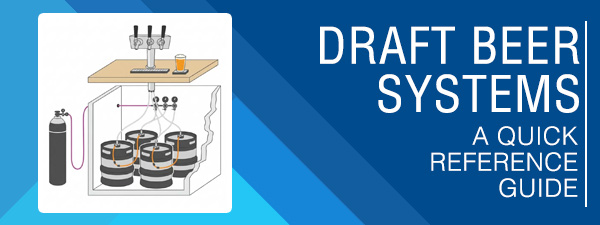
A great draft system isn't just about pulling a lever and watching beer flow. Behind every smooth pour is a series of carefully selected components working in harmony. Whether you're designing a full bar or adding a single tap line, understanding how each part of the system works helps you serve better beverages, reduce waste, and troubleshoot with confidence.
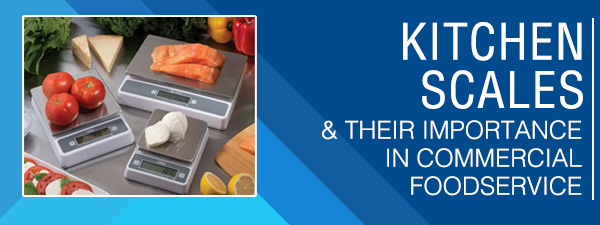
In every commercial kitchen, accuracy is one of the strongest drivers of quality, consistency, and cost control. Scales may seem like simple tools, but they influence almost every part of food preparation and service. From portioning proteins to batching dough, verifying deliveries, and supporting nutrition programs, commercial scales help operators run smoother and more efficient kitchens. For restaurants, bakeries, bars, cafeterias, K-12 programs, and institutional foodservice, the right scale can reduce waste, speed up prep work, and ensure that every recipe is executed the same way every time.