The Importance of Scales in a Commercial Kitchen
- Dec 22, 2025
In every commercial kitchen, accuracy is one of the strongest drivers of quality, consistency, and cost control. Scales may seem like simple tools, but they influence almost every part of food preparation and service. From portioning proteins to batching dough, verifying deliveries, and supporting nutrition programs, commercial scales help operators run smoother and more efficient kitchens. For restaurants, bakeries, bars, cafeterias, K-12 programs, and institutional foodservice, the right scale can reduce waste, speed up prep work, and ensure that every recipe is executed the same way every time.
Volume-based measuring introduces unnecessary variation into recipes. Depending on the ingredient and environment, measuring by cups or scoops can create differences as large as 20%. Humidity, ingredient density, the way food settles inside a cup, and even the style of measurement tool all impact the final amount. A scale removes these variables by providing precise, repeatable measurements, helping teams achieve identical results across every batch. Precision also matters for food cost control - when portions are consistent, operators prevent over-serving while maintaining quality.
Scales also make everyday workflows easier. Tare functions allow staff to add multiple ingredients to a single bowl, reducing dishwashing and speeding up the prep process. Digital units allow quick switching between pounds, ounces, and grams, which makes recipe conversion simpler when adjusting batch sizes or switching between standard and metric recipes. For kitchens looking to streamline operations and reduce waste, a high-quality restaurant scale is one of the most effective and affordable tools available.
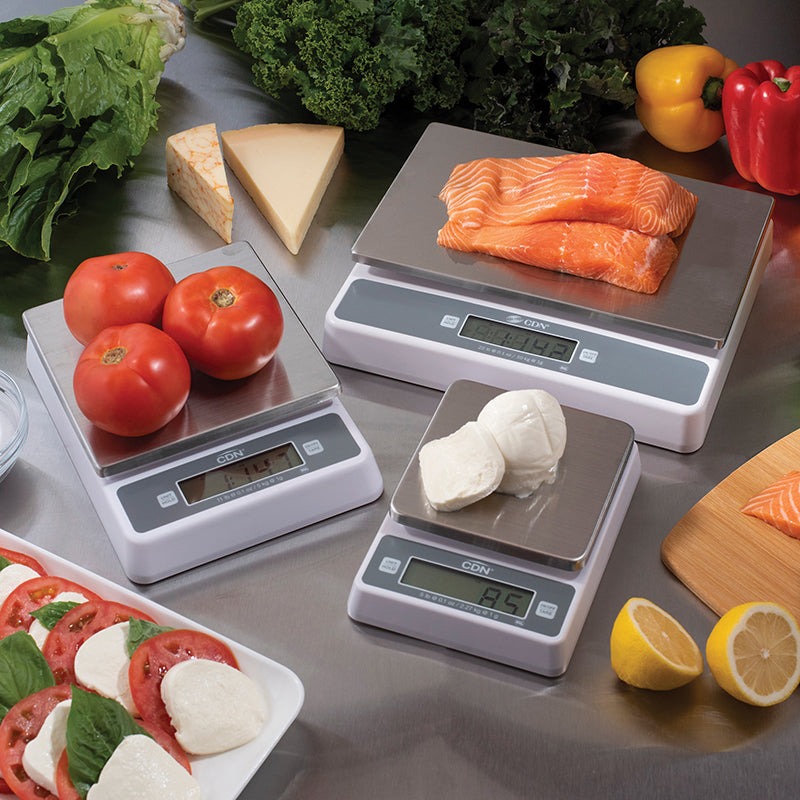
Types of Commercial Kitchen Scales
Mechanical Scales
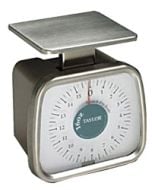
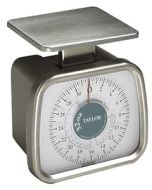
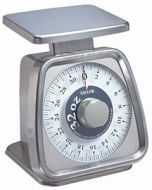
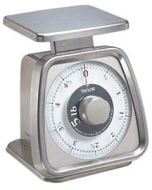
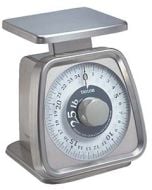
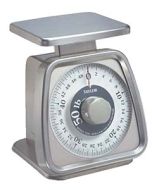
Mechanical scales use a platform and a heavy spring to determine weight, with a pointer showing the measurement. While not as precise as digital models, they are durable, simple to use, and ideal for quick checks or portioning tasks. Their sturdy construction makes them well-suited for kitchens that need consistent performance without complexity.
Digital Scales
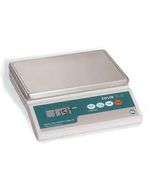
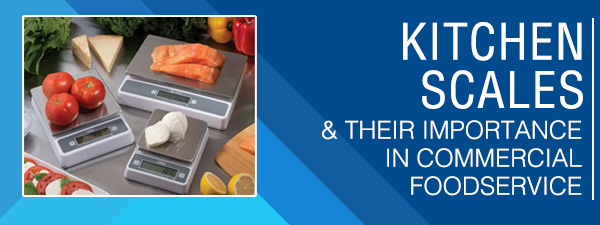
Digital scales are the go-to option in modern commercial kitchens because they provide fast, accurate readings using strain-gauge load cells. They’re easy to use, moisture-resistant, and available with multiple weighing modes, making them ideal for portion control, batching, and daily ingredient prep.
Where Scales Support Foodservice Workflows
Scales touch almost every corner of a foodservice operation. Their benefits go far beyond measuring ingredients.
1. Portion Control
Portion control is the most common use for restaurant scales. Weighing proteins, sides, and toppings ensures consistent servings while keeping food cost in line. This prevents accidental over-portions, which is one of the fastest ways costs can escalate.
2. Batching and Ingredient Prep
Bakeries, commissaries, and prep kitchens often work with large quantities of ingredients. Scales make batching faster and more accurate, especially when recipes rely on grams or ounces for precision. This improves recipe repeatability and helps maintain consistent textures and flavors.

3. Nutrition Management
Hospitals, schools, and wellness-focused operations depend on precise measurements to meet dietary guidelines. Scales support nutrition labeling, allergen management, and calorie control by ensuring every serving meets established standards.
4. Shipping, Receiving, and Delivery Verification
Receiving teams use scales to verify delivered goods, especially for bulk ingredients. Weight verification reduces product discrepancies and supports accurate inventory management.
5. Point-of-Sale Weighing
Markets, delis, and grab-and-go operations often use price-computing scales to determine cost by weight. These units integrate with POS systems and help maintain accuracy where products are sold by the pound.
6. Weight Estimating and Packaging
Packaging departments use scales to check weights before sealing and labeling. Consistent packaging helps with production efficiency and supports regulatory compliance where required.
Care and Use Tips for Long-Lasting Scale Performance
Because commercial kitchen scales are precision instruments, proper care is essential for long-term accuracy.

Always confirm whether your scale is submersible before exposing it to water. Non-submersible units should be wiped with a damp cloth to protect electrical components. Kitchen environments can be humid, so storing and using the scale at room temperature - between 32°F and 104°F (0°C to 40°C) - helps maintain battery and load-cell performance.
Place the scale on a flat, stable surface and avoid overloading it beyond its rated capacity, as this can permanently damage the load cells. When not in use, store the scale in a position that prevents any pressure on the weighing platform. Some models are designed to be stored vertically, which helps protect the internal components. During transport, lift the unit from the bottom to avoid stress on the platform and internal mechanisms.
These small care steps extend the life of your commercial kitchen scale and help maintain consistent, reliable measurements.
Why Scales Matter for Kitchen Efficiency and Food Cost Control
A dependable commercial scale does more than weigh ingredients - it supports accuracy, consistency, and cost control across the entire kitchen. As operators look to reduce waste, improve workflow, and maintain quality, scales remain one of the most cost-effective tools in food preparation.
Accurate weighing improves recipe performance, speeds up prep work, minimizes cleanup, and protects profit margins. For any restaurant or foodservice operation, commercial kitchen scales are an essential part of a well-run kitchen.