
Kitchen Sinks & 3 Compartment Sinks
Shop commercial kitchen sinks and 3 compartment sinks built for warewashing, food prep, and daily cleaning in restaurants, bars, and foodservice operations. Choose from stainless steel sinks with or without drainboards, in a range of sizes and configurations to meet health code requirements.
-
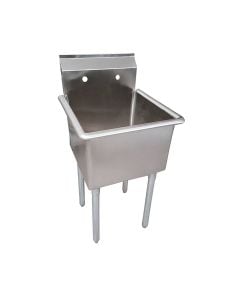
 BK Resources BK8BS-2-18-12 Two Compartment Budget Sink, 39" WSpecial Price $532.30 Regular Price $563.28




Commercial Kitchen Sinks
Commercial kitchen sinks are some of the most-used pieces of equipment in any foodservice operation. Staff use them all day to wash dishes, pots, pans, and utensils, prep and rinse food, and keep the kitchen clean. They also play a key role in meeting health code requirements for cleaning and sanitizing.
Most restaurant sinks are made of stainless steel, which is durable, resists corrosion, and is easy to clean and sanitize. Commercial sinks are built heavier than residential sinks, with deep bowls for large cookware and sturdy frames that hold up to constant use.
Types of Commercial Sinks
Compartment sinks have one or more bowls and are used for warewashing and general cleaning. Drainboard sinks add a flat, sloped work surface on one or both sides for stacking and air drying dishes. Drop-in sinks install into an existing countertop. Freestanding sinks stand on their own legs and don't require a counter. Specialty sinks include options designed for specific tasks and spaces.
Why Use a 3 Compartment Sink?
A 3 compartment sink is the standard for manual warewashing in commercial kitchens. Each bowl handles one step of the cleaning process, so staff can wash, rinse, and sanitize dishes in an organized flow. Many health codes require a sink with at least three compartments for manual dishwashing.
The Three Steps
- Wash - The first compartment is filled with hot water and detergent to remove food and grease.
- Rinse - The second compartment holds clean water to rinse away soap and leftover debris.
- Sanitize - The third compartment holds a chemical sanitizing solution or hot water to kill bacteria. Follow the sanitizer label and your local health code for the right concentration, temperature, and contact time. After sanitizing, dishes should air dry on a drainboard or drying rack.
Setting Up Your Sink
Place the dirty side of the sink near where dishes come in and the clean side near where they're stored. A drainboard on the dirty side gives staff room to scrape and stack, while one on the clean side provides space for air drying. Many kitchens use a sink with drainboards on both sides.
What to Consider Before Buying a Commercial Sink
Bowl Size and Number of Compartments
Choose bowls large enough to fully submerge your largest pots, pans, and sheet trays. Health codes often require this for warewashing sinks. Consider whether you need one, two, three, or four compartments based on how the sink will be used.
Drainboards
Decide whether you need a drainboard on the left, the right, or both sides. Measure your available space carefully, since drainboards add significant length to the sink.
Stainless Steel Gauge and Grade
Stainless steel thickness is measured in gauge. The lower the number, the thicker and more durable the steel. Higher-grade stainless steel offers better corrosion resistance, which is helpful in kitchens that use strong cleaning chemicals.
Faucet Holes and Mounting
Check whether the faucet holes are on the backsplash or the sink deck, and how far apart they are. Common spacing is 4 or 8 inches on center. Splash-mounted faucets work well when water lines come through the wall, while deck-mounted faucets are a better fit when lines come up through the floor. Faucets aren't always included, so choose one that matches the sink's hole spacing and location.
Legs and Frame
Freestanding sinks stand on legs that may be galvanized or stainless steel. Stainless steel legs offer better corrosion resistance. Adjustable feet help level the sink on uneven floors.
Local Health Codes
Health code requirements vary by location. Check with your local health department before you buy to make sure your sink meets the rules for your operation.
Commercial Kitchen Sink FAQs
Do restaurants need a 3 compartment sink?
Most health codes require a sink with at least three compartments for manual warewashing, even if you have a commercial dishwasher. Check with your local health department for the specific requirements in your area.
Can I wash my hands in a 3 compartment sink?
No. Health codes typically require a separate, dedicated hand sink for handwashing. Compartment sinks should be used for warewashing and other approved tasks only.
What size 3 compartment sink do I need?
Choose a sink with bowls large enough to fully submerge your largest cookware, and make sure it fits your available space, including any drainboards.
What gauge stainless steel is best for a commercial sink?
Lower-gauge stainless steel is thicker and more durable, making it a better choice for heavy-duty use. Thinner gauges are more economical and work well for lighter tasks.
Do commercial sinks come with faucets?
Not always. Check the product details, and if a faucet isn't included, choose one that matches the sink's faucet hole spacing and mounting location.