
Garbage Disposal
Shop commercial garbage disposals built to handle the food waste of busy restaurants, cafeterias, and institutional kitchens. Choose from light-duty and heavy-duty disposers, mounting assemblies, and control packages to keep dish areas running smoothly and drains clear.
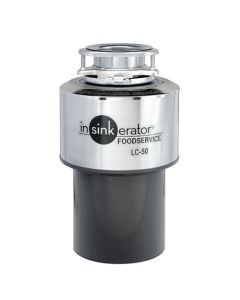
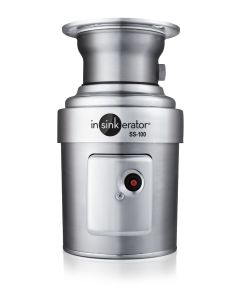
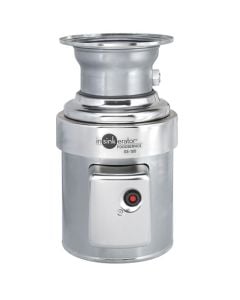
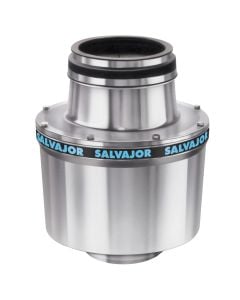
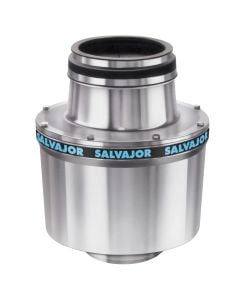
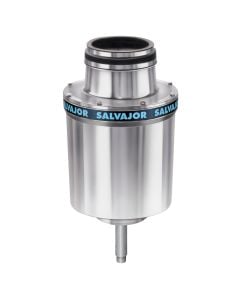
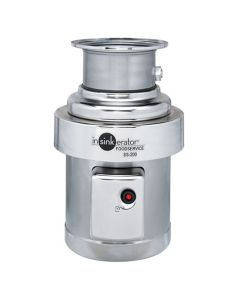
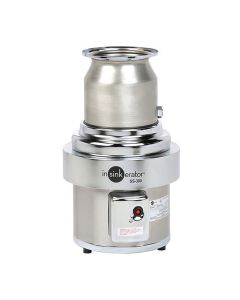
Commercial Garbage Disposals
A commercial garbage disposal, also called a food waste disposer, installs under a commercial sink or dish table and grinds food scraps into small particles that flush safely through the drain. It's a key part of the dish room, letting staff scrape and pre-rinse plates quickly before loading them into a commercial dishwasher.
Commercial disposers are built very differently from residential units. They have more powerful motors, heavier-duty grinding components, and are designed to run many times a day, handling the large volume of food waste that a foodservice kitchen produces.
Benefits of a Commercial Garbage Disposal
A commercial food waste disposer speeds up dish scraping and cleanup, reduces the amount of wet, heavy food waste in your trash, and helps cut down on odors and pests around dumpsters. Less food waste in the trash can also mean fewer garbage pickups and lower hauling costs.
Choosing the Right Size Commercial Disposer
Commercial garbage disposals are rated by horsepower. The right size depends on how much food waste your kitchen produces and where the disposer will be used.
Light-Duty Disposers
Lower-horsepower disposers are a good fit for bars, cafes, prep sinks, and smaller restaurants with light to moderate food waste.
Medium-Duty Disposers
Mid-range units work well for full-service restaurants and pot-and-pan sinks that handle a steady flow of food scraps throughout the day.
Heavy-Duty Disposers
High-horsepower disposers are built for dish rooms, cafeterias, hospitals, schools, and other high-volume operations that process large amounts of food waste every day.
When in doubt, size up. A disposer that's too small for the workload will run longer, wear out faster, and is more likely to jam.
What to Look for in a Commercial Garbage Disposal
Mounting Options
Commercial disposers can be installed in several ways. Sink-mount units attach under the drain of a commercial sink. Cone-mount units sit under a large cone built into a dish table, giving staff a wide area to scrape plates. Trough-mount setups use a long channel with running water to carry scraps to the disposer, which is common in large dish rooms.
Control Packages
Many commercial garbage disposals use a control panel with start and stop switches, and some include features like automatic reversing to help clear jams. A water solenoid valve with flow control turns the water on automatically when the disposer runs, helping protect the unit and control water use.
Silverware Protection
Utensils accidentally dropped into the disposer can damage the grinding components. A silverware saver or collector helps catch utensils before they reach the disposer.
Electrical Requirements
Larger commercial disposers may require a specific voltage or three-phase power. Check the electrical specs and confirm them with your electrician before you buy.
Local Codes
Some municipalities have rules about commercial garbage disposals, grease traps, or water use. Check with your local plumbing authority before installation.
Commercial Garbage Disposal FAQs
What size commercial garbage disposal do I need?
It depends on your food waste volume and where the disposer will be used. Smaller units work for bars, cafes, and prep sinks, while dish rooms and high-volume kitchens need a heavy-duty disposer with more horsepower.
What is the difference between a commercial and residential garbage disposal?
Commercial disposers have more powerful motors, heavier-duty grinding parts, and are designed for frequent, continuous use. Residential units aren't built to handle the volume of a foodservice kitchen.
What shouldn't go into a commercial garbage disposal?
Avoid pouring fats, oils, and grease down the disposer, since they can build up in drain lines. Keep utensils, packaging, and other non-food items out as well.
Should I run water while using the disposal?
Yes. Run cold water before, during, and after grinding to help flush food particles through the drain. Many commercial disposers use a water valve that does this automatically.
Can I install a commercial garbage disposal myself?
Commercial disposers usually require both plumbing and electrical work, so professional installation is recommended. Always follow the manufacturer's installation instructions and local codes.