How to Choose the Right Commercial Ice Machine for Your Business
- Jun 12, 2026

Whether you operate a restaurant, bar, café, hotel, healthcare facility, or convenience store, a reliable supply of ice is essential. Choosing the right commercial ice machine can improve efficiency, reduce operating costs, and ensure you always have enough ice available during peak hours.
With so many sizes, ice types, and configurations available, selecting the best machine can feel overwhelming. Here are the key factors to consider when purchasing a commercial ice maker.
Start by Determining Your Daily Ice Needs
The first step is estimating how much ice your operation uses each day. An undersized machine can leave you scrambling during busy periods, while an oversized unit may consume more energy and water than necessary.
Your ice production needs will depend on factors such as:
- Number of customers served daily
- Type of operation
- Beverage sales volume
- Self-serve drink stations
- Catering or event services
- Climate and ambient temperatures
As a general guideline, restaurants often require between 1.5 and 3 pounds of ice per customer per day, while bars and beverage-focused operations typically need significantly more.
It's usually wise to choose a machine with some extra production capacity to accommodate busy seasons and unexpected demand.
Choose the Right Type of Ice
Different applications require different types of ice.
Full Cube Ice
Full cube ice melts slowly and is commonly used in restaurants, bars, hotels, and beverage service applications. It provides an attractive presentation and helps keep drinks cold longer.
Half Cube Ice
Half cube ice cools beverages quickly and packs tightly in cups, making it a popular choice for quick-service restaurants, convenience stores, and healthcare facilities.
Nugget Ice
Known for its chewable texture, nugget ice has become increasingly popular in beverage programs. It is commonly used in healthcare facilities, convenience stores, and self-serve drink stations.
Flake Ice
Flake ice is often used for food displays, seafood merchandising, produce displays, and certain healthcare applications where rapid cooling is important.
Consider the Ice Machine Configuration
Commercial ice makers are available in several configurations.
Modular Ice Machines
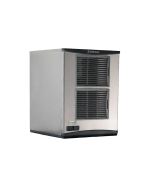
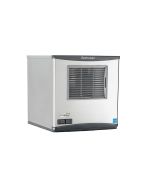
Modular units sit on top of an ice storage bin or dispenser. They offer high production capacities and are ideal for larger operations with significant ice demands.
Undercounter Ice Machines
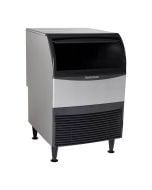
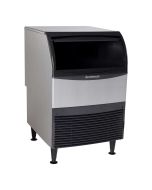
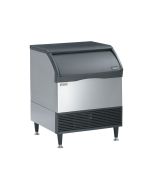
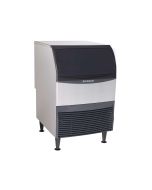
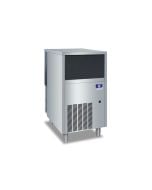
Undercounter units combine ice production and storage in a compact footprint. They are a popular choice for bars, cafés, and smaller kitchens where space is limited.
Ice and Water Dispensers
Dispensers provide convenient, sanitary access to ice and water and are commonly found in healthcare facilities, break rooms, schools, and self-service areas.
Don't Forget Ice Storage
For modular ice machines, daily ice production capacity and storage capacity are two separate considerations. Since modular units produce ice but do not include built-in storage, they must be paired with an ice bin or dispenser.
Even if your machine can produce enough ice throughout the day, you'll need adequate storage to handle peak demand periods. Selecting the proper ice bin helps ensure ice is readily available during lunch rushes, dinner service, or special events.
When sizing an ice storage bin, consider your busiest periods rather than average daily usage.
Note: Undercounter ice machines typically include built-in ice storage, so a separate ice bin is generally not required.
Consider Air-Cooled vs. Water-Cooled Models
Most commercial ice machines are air-cooled, making them more energy-efficient and cost-effective to operate.
Water-cooled machines may be appropriate in environments with high ambient temperatures or limited airflow, but they generally consume more water and can increase utility costs.
For most foodservice operations, air-cooled models are the preferred choice.
Protect Your Investment with Water Filtration
Water quality directly affects ice quality and machine performance.
Installing a compatible water filtration system can help:
- Improve ice clarity and taste
- Reduce scale buildup
- Extend equipment life
- Lower maintenance costs
- Improve overall machine efficiency
Many manufacturers recommend filtration systems as part of their routine maintenance guidelines.
Think About Energy Efficiency
Energy-efficient ice machines can help reduce operating costs over the life of the equipment.
Look for models that offer advanced energy-saving features and efficient production technology. While the initial investment may be slightly higher, lower utility costs often provide long-term savings.
Common Ice Machine Buying Mistakes
Avoid these common mistakes when selecting a commercial ice maker:
- Underestimating daily ice usage
- Ignoring peak demand periods
- Choosing the wrong ice type
- Overlooking storage capacity requirements
- Skipping water filtration
- Failing to account for available installation space
Need Help Choosing an Ice Machine?
From compact undercounter units to high-capacity modular ice makers, Rapids Wholesale offers commercial ice machines, storage bins, dispensers, and water filtration systems from leading manufacturers.
If you're unsure which model is right for your operation, our team can help you evaluate your ice production needs and recommend the best solution for your business.