
Your Draft Beer System Quick Reference Guide
- Feb 11, 2026
A great draft system isn't just about pulling a lever and watching beer flow. Behind every smooth pour is a series of carefully selected components working in harmony. Whether you're designing a full bar or adding a single tap line, understanding how each part of the system works helps you serve better beverages, reduce waste, and troubleshoot with confidence.
At Rapids Wholesale, we work closely with Perlick - an industry leader known for its innovative beverage systems and bar design expertise - to stay current on best practices and advancements in draft beer technology.

The Keg: Where the System Begins
Every draft system starts with the keg - but not all kegs are the same.
Sankey Kegs
Sankey kegs are the standard for most commercial breweries and are widely used for traditional beer service. They use a coupler that connects both the gas line and the beer line through a single valve system, making them simple, reliable, and easy to maintain. These kegs are durable, compatible with most draft setups, and ideal for high-volume bars, providing consistent carbonation and quality pours every time.
Key features:
- Most common in traditional beer applications
- Durable and reliable for high-volume bars
- Designed for non-circulating systems
Cornelius (Corney) Kegs
Corney kegs have become increasingly popular - especially with the rise of draft coffee and craft cocktails.
Instead of a single coupler, they use ball lock or pin lock ports:
- 2-port models are used for non-circulating kegs (gas in, beverage out)
- 4-port models are often used for cocktails or specialty beverages that require circulation or blending
Corney kegs are commonly used for nitro coffee, batch cocktails, wine, and other specialty beverages. Their versatile design makes them a popular choice for operations producing drinks in-house. Notably, Perlick is the only manufacturer offering 4-port cocktail kegs, allowing advanced circulation and blending capabilities that are not available with competitive equipment.
Gas & Pressure: The Power Behind the Pour
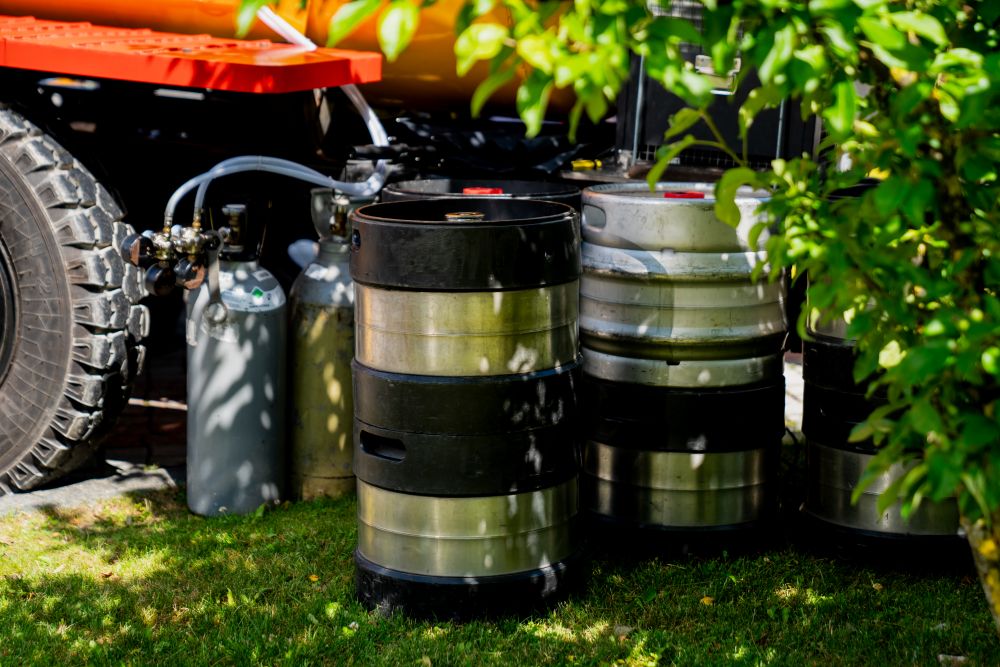
Gas selection plays a critical role in product quality, carbonation level, mouthfeel, and overall draft system performance. The type of gas you use directly affects how the beverage moves through the lines and how it tastes in the glass.
1. CO₂
CO₂ (Carbon Dioxide) is the standard choice for beer, soda, and other carbonated beverages. It both maintains carbonation and provides the pressure needed to push product through the draft lines. In high-volume operations, bulk CO₂ systems are common because they provide consistent pressure and reduce the need for frequent tank changes.
2. Nitrogen
Nitrogen (N₂) is used for nitro craft beer, wine, and nitro cold brew coffee. Unlike CO₂, nitrogen does not readily dissolve into the liquid. Instead, it creates smaller bubbles and produces a smoother, creamier mouthfeel. This makes it ideal for beverages like nitro stout or nitro cold brew, where texture and presentation are just as important as flavor.
3. Blended Gas
A CO₂ and nitrogen blend, often referred to as “beer gas,” combines the benefits of both gases. This mixed gas is widely used for beer, wine, coffee, and especially in long-draw systems. Because longer line runs require higher pressure to move product to the tap, straight CO₂ could over-carbonate the beverage. Mixed gas allows operators to maintain proper carbonation while still applying enough pressure to ensure a consistent pour.
Direct Draw Systems: Simple & Efficient
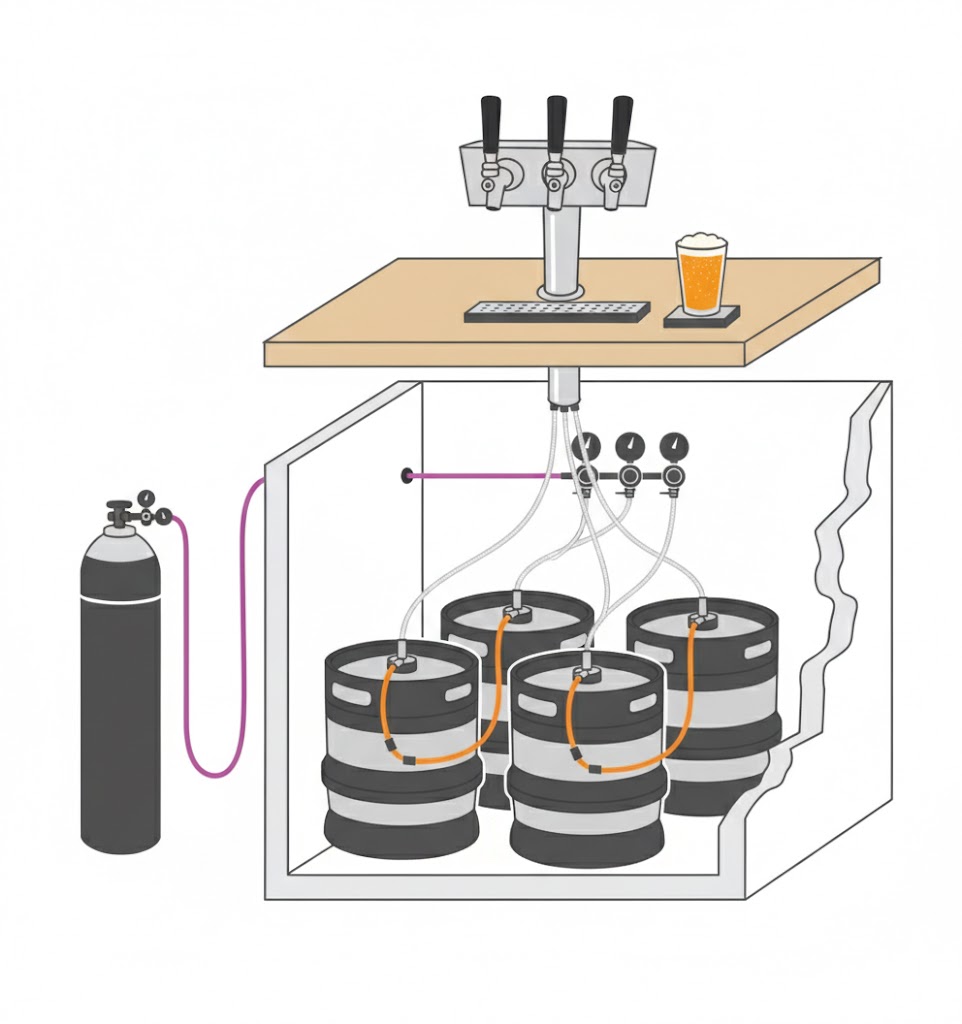
In a direct draw system, the draft tower sits directly above the refrigeration unit. The kegs are stored directly below the taps.
Key features:
- Compact setup
- Ideal for short-distance dispensing
- Minimal line length
An important adjustment in these systems is the secondary regulator pressure. Higher pressure increases agitation in the beverage, which is useful for drinks like frozen or shaken-style margaritas. Lower pressure, on the other hand, provides a gentler pour, making it ideal for spirit-forward cocktails such as an Old Fashioned.
New Nitro Dispensing Kit
Perlick now offers a nitro dispensing kit designed for use with Corney kegs, allowing shops that make coffee in-house to nitrogenate their coffee easily. This is especially useful for cafés and bars expanding into nitro cold brew programs.
Air-Cooled Systems: Up to 25 Feet
Air-cooled draft systems use cold air from a walk-in cooler to chill the beer lines and tower.
- Recommended for runs up to approximately 25 feet
- Each blower can handle up to 8 lines
- More economical than glycol for shorter distances
These systems are commonly used when the walk-in cooler is located relatively close to the bar.
Glycol Systems: Built for Long Runs
For longer distances between the cooler and the taps, a Perlick glycol-cooled system provides a professional, high-performance solution designed for precision temperature control and long-term reliability.
Copper Trunk Lines
Perlick glycol systems use copper trunk lines to carry both the beverage and coolant together — a design advancement not found in competitive systems. Copper provides superior temperature control and long-term durability, but because it is rigid, careful planning during installation is essential.
Benefits of Perlick copper trunk lines:
- Excellent thermal conductivity
- Consistent temperature control
- Long-term durability
- Proper 90-degree sweep bends maintain flow and protect line integrity
Line Diameter & Power
The internal diameter (ID) of the beer line plays an important role in system performance. Larger line diameters require more horsepower from the glycol power pack to maintain proper flow and pressure. They also mean that more product must be flushed during routine cleaning, which can increase maintenance time and waste. For most installations, a 3/8” line is the most popular choice, offering a balance between optimal performance and efficient cleaning.
Cold Block Heat Exchanger
Modern towers feature a cold block heat exchanger, which ensures the product stays at serving temperature all the way to the faucet — preventing foam and maintaining quality.
Lifetime Warranty on Beer Lines
Perlick’s beer lines in these systems come with a lifetime warranty, reinforcing long-term reliability.
System Cleanliness: Draught Guard Innovation
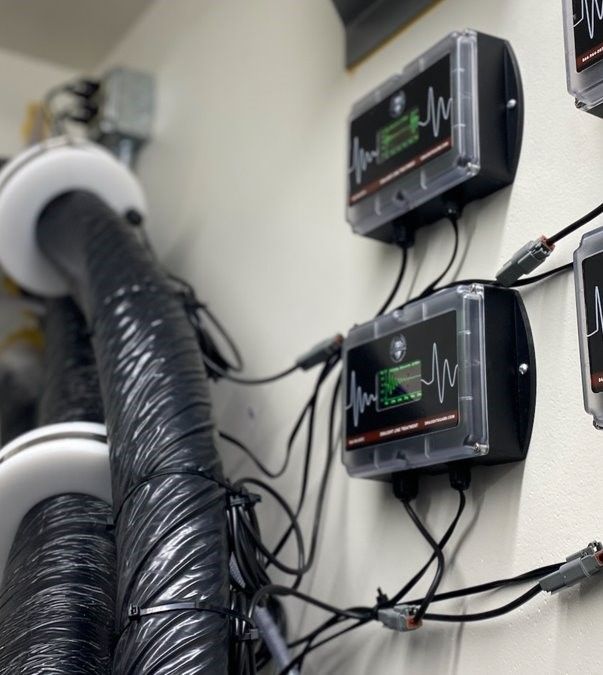
Proper maintenance is just as important as installation. Perlick’s Draught Guard protects draft lines and extends cleaning intervals up to 12 weeks, compared to the traditional two-week cycle.
Key benefits:
- Reduce Waste – Less beer and chemical waste
- Improve Quality – Prevents bacteria, biofilm, and beerstone
- Save Time and Money – Fewer cleanings reduce labor and downtime
- Proven Technology – Lab- and field-tested for 24/7 line protection
Key Components of a Draft Beer System:
- The right keg type
- Proper gas selection
- Correct regulator settings
- Appropriate cooling method (direct draw, air-cooled, or glycol)
- Proper line sizing and trunk design
- Ongoing maintenance and sanitation
Bringing It All Together
A complete draft beer system only works when all components are carefully selected, engineered, and installed - which is why partnering with experienced suppliers and innovative manufacturers like Perlick makes a difference.