
Draft Beer Systems: How They Work & Care Tips
- May 30, 2025

A great draft system isn't just about pulling a lever and watching beer flow. Behind every smooth pour is a series of carefully chosen components working in harmony. Whether you're outfitting a full bar or adding a single tap line, understanding how each part fits into the system helps you serve better beer, avoid waste, and troubleshoot with confidence.
Want to explore the topic in a more conversational format? Our podcast episode on draft beer systems covers setup basics, common mistakes, and expert advice—perfect whether you’re new to drafts or refining your setup.
The Journey from Keg to Tap
At the heart of any draft system is the keg—your storage vessel for beer, cider, wine, cold brew, or kombucha. Choosing the right size depends on your storage capacity and how fast you go through product. Standard keg options include:
- Half barrel (15.5 gal) – Ideal for high-volume bars
- Quarter barrel (7.75 gal) – Great for smaller spaces or multiple flavors
- Sixth barrel (5.16 gal) – Common for variety taps and limited releases
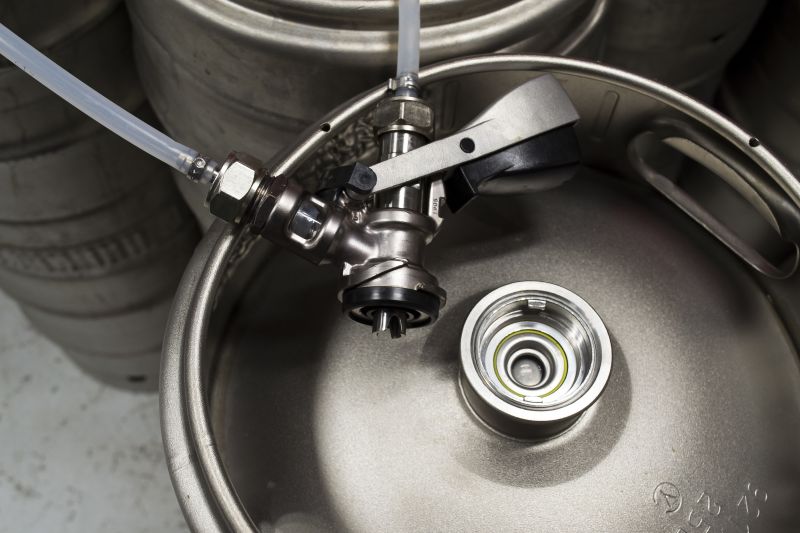
Once you've selected a keg, you'll need a keg coupler. This component connects to both the gas and beer lines, opening the keg’s valve when locked into place. Couplers come in several styles depending on the keg brand:
- D system – Most common for U.S. beers
- S system – Used for many European imports
- U, G, A, M systems – Less common but essential for specific breweries
Choosing the correct coupler ensures your system runs smoothly—and prevents headaches when swapping kegs.
The Role of Gas and Regulators
Beer needs help getting from keg to faucet, and that help comes from pressurized gas. Most systems rely on CO2, but some beverages benefit from other gases:
- CO2 – Standard for beer
- Nitrogen – Required for nitro stouts, wine, and cold brew
- CO2/Nitrogen blend – Common in long-draw or mixed gas systems
To control pressure, you’ll use a regulator. This device connects to the gas tank and lets you adjust PSI to match each beverage’s ideal carbonation level. You might use:
- Single regulator – Fine for one keg, same PSI
- Secondary regulators – Adjust pressure per line
- Air distributors – Split one pressure across multiple lines
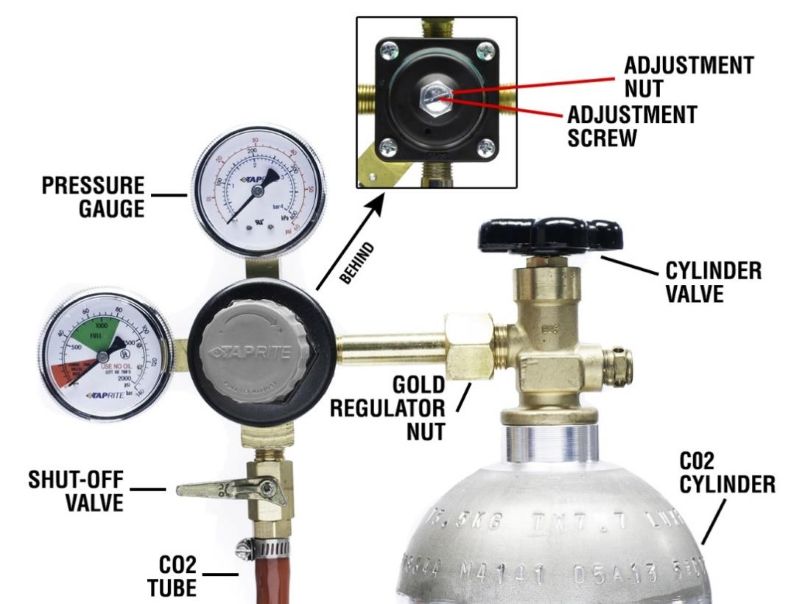
Be sure to match regulators to gas type—CO2 and nitrogen regulators are not interchangeable.
Lines, Tubing, and Trunk Systems
With pressure applied, beer moves through beer lines—narrow tubing that runs from keg to faucet. You'll also have gas lines carrying CO2 or nitrogen into the keg.
Typical tubing setup includes:
- Beer lines (3/16" or 1/4") – Clear vinyl is common, but barrier tubing is better for preserving flavor
- Gas lines (5/16") – Usually colored to avoid mix-ups
- Trunk lines – Used in long-draw systems to maintain temperature and bundle multiple tubes together
- Glycol lines – In chilled trunk systems, these lines circulate cold glycol to keep beer cold
Using the correct diameter and length of beer line helps balance pressure and flow—avoiding foam or flat pours.
Taps, Towers, and Faucets
At the dispensing end of your system is the draft tower, which holds the faucet(s) and connects to your lines. Towers can be mounted on counters, walls, or even ceilings, and come in configurations for anywhere from 1 to 20+ taps.
Faucets vary by function:
- Standard faucets – Great for most beers
- Stout faucets – Required for nitrogen beers like Guinness
- Forward-sealing faucets – Prevent sticking and reduce contamination
- Self-closing faucets – Snap shut when not in use, minimizing spills
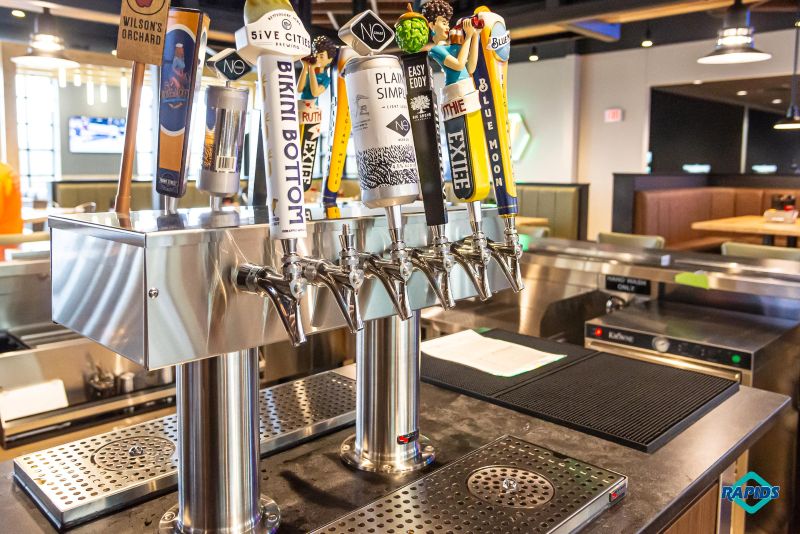
Material choice also matters. Chrome faucets are economical, but stainless steel resists corrosion and is recommended for wine, cider, and acidic drinks.
Don’t Skip the Cleaning Process
No matter how well-built your system is, it can’t do its job if it’s not clean. Over time, yeast, mold, and beer stone build up in lines and faucets. This affects taste and puts your customers at risk.
To maintain quality:
- Clean lines every 1–2 weeks, depending on volume
- Break down and clean couplers and faucets regularly
- Use a cleaning kit with a hand pump or pressurized canister
- Run a line-safe cleaning solution followed by rinse water
A regular cleaning routine protects flavor, prevents foaming, and extends the life of your system.
The Big Picture
When you understand how each part of your draft beer system functions—from keg to coupler, gas tank to faucet—you gain more control over your pours. Balanced pressure, proper line length, clean components, and the right hardware combine to deliver cold, consistent, great-tasting beer.
Need help sourcing draft components or troubleshooting a setup? Our team can help you build a reliable system from the ground up—or improve what you already have.
Want to go deeper?
Read our Long Draw Beer Systems Comic to explore how larger systems work behind the scenes.