Welcome to our Tips & Tricks blogs! Explore expert advice, practical tips, and clever solutions to help you run your foodservice or beverage operation more efficiently. From equipment maintenance to workflow improvements, these tips make your job easier.
Commercial kitchens, convenience stores, and foodservice businesses are increasingly switching to propane-based refrigerants, like R290, in their refrigerators and freezers. This refrigerant is gaining popularity because it is efficient, reliable, and better for the environment than older refrigerants. This guide explains what R290 is, why it is used, and how manufacturers like True are leading the way.
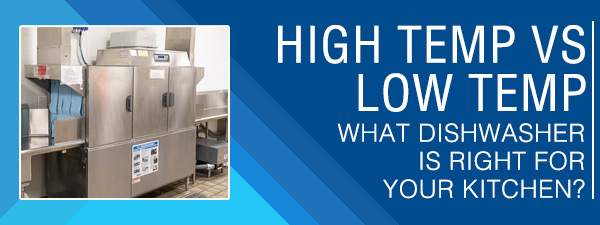
When it comes to choosing a commercial dishwasher, understanding the difference between high temperature and low temperature models can make a big impact on your results, energy use, and long-term costs. Both types sanitize dishes effectively, but each offers unique advantages depending on your operation’s needs.
Safe and efficient food storage is at the heart of every successful kitchen operation. From preserving freshness to maintaining food safety standards, how you store ingredients affects your workflow, costs, and the quality of every plate that leaves your kitchen.
When planning a restaurant dining area, furniture decisions go beyond style. The durability and performance of your tables are just as important as the look of the tabletops. One of the most overlooked choices is the table base. While not as visible as the surface, the base determines how stable, reliable, and easy-to-maintain a table will be over time.
Two common options in the foodservice industry are cast iron and stamped steel table bases. Both materials have been used for years, but they differ greatly in how they’re made, how they perform, and how they stand up to the demands of a busy operation.
This guide covers everything you need to know about liquor pourers and pour spouts—from common types and their applications to essential bar accessories. Whether you’re managing a busy bar or stocking a restaurant, learn how to choose the right pourers to improve speed, accuracy, and inventory control behind the bar.
When choosing or installing a commercial sink, most people naturally focus on important factors like size, depth, faucet style, and mounting type to ensure the sink fits the space and meets their functional needs. However, there’s one feature that’s often overlooked but can make a significant difference - not only in meeting health code requirements but also in maintaining a cleaner, safer kitchen environment. That feature is side splashes, which act as protective barriers to contain water, prevent cross-contamination, and keep surrounding areas dry and sanitary.
Planning an outdoor event? Learn how to keep beer cold from start to finish with practical tips and gear—from IRP merchandisers to ice caddies, keg jackets, and jockey boxes. Whether you’re serving bottles or draft, this guide from Rapids Wholesale helps you beat the heat and serve with confidence.
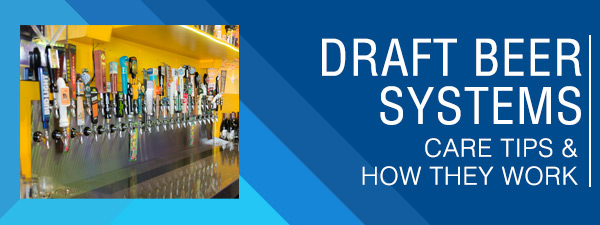
Curious how beer gets from the keg to your glass? This quick guide explains how draft beer systems work, breaking down the main components and what each one does. Whether you're setting up a bar or just want to understand your current system, this overview gives you the clarity you need.
If you've seen the NSF stamp on kitchen tools or appliances and wondered what it means, this blog breaks it down. Learn what NSF certification is, why it's essential for food safety and health code compliance, how products get certified, and how to find NSF-listed items when shopping for your commercial kitchen.
Discover the key differences between inhibited and uninhibited glycol for beer cooling systems. Learn how to choose the right type to maintain optimal performance, prevent corrosion, and extend the lifespan of your equipment.