
Inhibited vs. Uninhibited Glycol for Beer Cooling
- Apr 1, 2025

Selecting the right glycol for your beer cooling systems is essential for maintaining consistent temperatures, preventing corrosion, and extending equipment lifespan. This blog will break down the differences between inhibited and uninhibited glycol, highlight the benefits of each, and help you decide which type best suits your beer dispensing systems, draft beer coolers, and other related equipment.
What is Glycol and Why Is It Important for Beer Cooling Systems?
Glycol is a heat transfer fluid commonly used in beer chillers, glycol power packs, and draft beer systems to maintain precise temperature control. By circulating glycol through lines, systems can keep beer at the perfect temperature from the cooler to the tap, ensuring a consistent pour and quality taste.
Glycol chillers play a crucial role in maintaining beer quality by ensuring precise temperature control. If you're curious about how glycol chillers work and their impact on beer cooling systems, explore our detailed guide to Understanding Glycol Chillers to learn more.
Inhibited Glycol vs. Uninhibited Glycol: What's the Difference?
The two primary types of glycol are inhibited glycol and uninhibited glycol. Understanding the differences between them is essential to choosing the right product for your beer cooling equipment. Each type of glycol has unique properties that impact system performance, maintenance needs, and overall longevity.
When selecting glycol for beer cooling systems, it’s important to choose NSF-certified glycol for food and beverage applications. NSF certification ensures the glycol meets strict safety standards, providing peace of mind that the glycol will not introduce harmful contaminants into your system. Luckily, our inhibited glycol is also NSF-certified, making it an excellent choice for most commercial beer systems. It’s especially well-suited for systems with metal components, where corrosion protection is a priority.
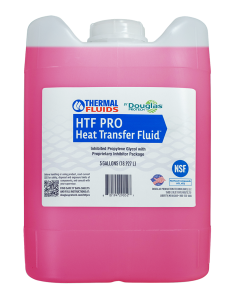
Inhibited Glycol
Inhibited glycol contains corrosion inhibitors that help prevent rust, scaling, and other types of damage to metal components in your cooling systems. This type of glycol is especially useful for systems where long-term reliability and cleanliness are important.
Benefits:
- Prevents corrosion and scaling.
- Reduces maintenance needs.
- Extends equipment lifespan.
- Safer for systems using copper, brass, or aluminum components.
Uninhibited Glycol
Uninhibited glycol lacks protective additives and is often used in simple or temporary applications where corrosion resistance isn't a primary concern. However, it may cause damage to your equipment over time if not properly maintained.
Benefits:
- Lower initial cost.
- Suitable for short-term applications or systems with non-metal components.
Learn More About Glycol Chillers
Want to learn more about how glycol chillers work and their role in beer cooling? Read our guide to Understanding Glycol Chillers.
Understanding the differences between inhibited and uninhibited glycol is crucial for maintaining your beer cooling systems. Choosing the right glycol can make a significant difference in system longevity, maintenance requirements, and overall performance. For most commercial beer dispensing applications, inhibited glycol is the better option.
Explore our selection of glycol chillers, beer line cleaning kits, and other beer system essentials to keep your setup running smoothly.
Need help finding the perfect product? Contact us today!