
Glycol Chillers
Keep draft beer cold from the keg to the tap with commercial glycol chillers for bars, restaurants, breweries, and wineries. Our glycol chiller systems are built in-house for long-draw draft systems, fermentation cooling, and more, with options for every size of operation.

-
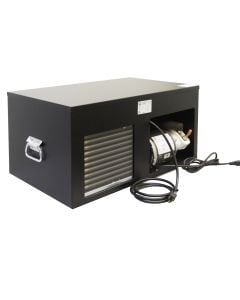 90' Run Glycol Beer Chiller System | 1/3 HP, 3 Gallon Tank Call for quote with current trade tariffs.In stock
 -
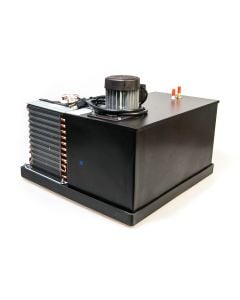 60' Run Glycol Beer Chiller System | 1/3 HP, 3 Gallon Tank Call for quote with current trade tariffs.In stock
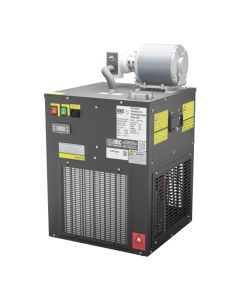
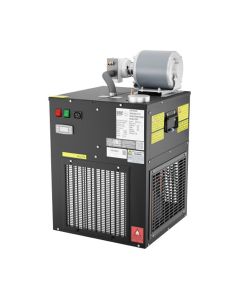
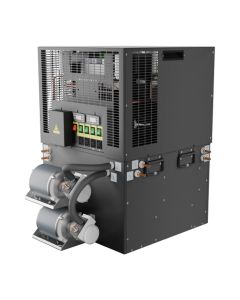
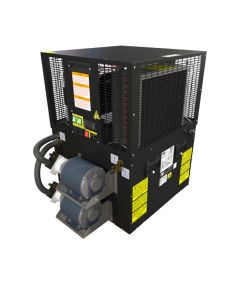
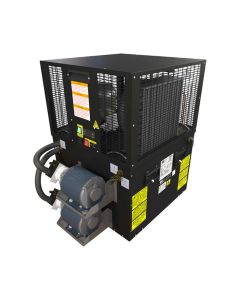
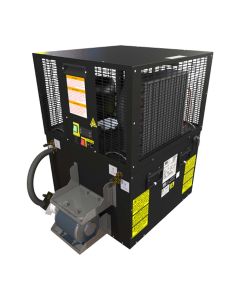
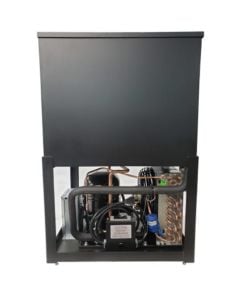
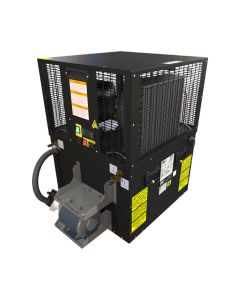
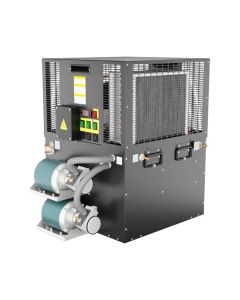
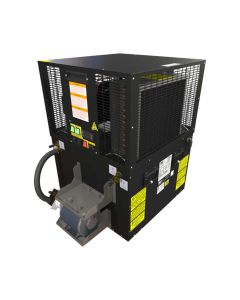
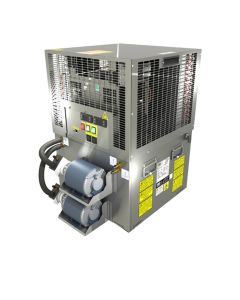
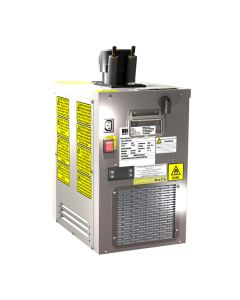
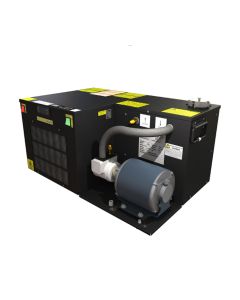
Commercial Glycol Chillers
A glycol chiller is a refrigeration system that cools a mixture of food-grade propylene glycol and water, then pumps it through a closed loop of tubing to keep beer, wine, or equipment cold. Because glycol is an antifreeze, it can be chilled below the freezing point of water without turning to ice, which makes it a highly effective cooling agent.
Glycol chillers are used in two main ways. In bars and restaurants, they keep beer cold as it travels through long draft lines from the walk-in cooler to the taps. In breweries and wineries, they control temperatures in fermentation tanks and other process equipment.
How a Glycol Chiller Works
The chiller cools the glycol solution in a reservoir, often called a glycol bath. A pump circulates the chilled glycol through insulated lines that run alongside the beer lines or through cooling jackets on tanks. The glycol absorbs heat and returns to the chiller to be cooled again, creating a continuous cooling loop.
Why Glycol Instead of Water?
Glycol stays liquid at temperatures below freezing, so it can carry more cooling without icing up the lines or the chiller. Ice can block flow, damage components, and reduce cooling performance. Glycol also holds temperature better over long runs and helps protect the pump.
Where Glycol Chillers Are Used
Long-Draw Draft Beer Systems
When kegs are stored far from the bar, beer has to travel through long lines to reach the taps. Without cooling, beer warms up along the way and pours foamy. A glycol-cooled draft system bundles the beer lines together with glycol lines inside an insulated trunk line, keeping beer cold all the way to the faucet. Glycol can also chill the draft tower, so the first pour is just as cold as the last.
Bars and Restaurants
Glycol draft systems are the standard for bars, restaurants, stadiums, and hotels with multiple taps or kegs stored in a walk-in cooler or basement. They help reduce foam, cut beer waste, and deliver a consistent pour.
Breweries
Breweries use glycol chillers to control fermentation temperatures, crash cool tanks, and chill beer before packaging. Precise temperature control is essential for consistent flavor and quality from batch to batch.
Wineries
Wineries use glycol cooling to control fermentation temperatures, cold stabilize wine, and keep tanks at the right temperature during storage.
How to Choose a Glycol Chiller
Length of the Draft Run
The distance from your kegs to your taps is one of the biggest factors in sizing a glycol chiller for a draft system. Longer runs need more cooling capacity to keep beer cold the whole way.
Number of Beer Lines and Towers
More beer lines and more draft towers add to the cooling load. Plan for your current setup and any taps you may add in the future.
Cooling Capacity
Glycol chillers are rated by horsepower and cooling capacity. For breweries and wineries, the right size depends on the number and size of your tanks and how quickly you need to cool them. A chiller that's too small will struggle to keep up, while one that's properly sized runs more efficiently and lasts longer.
Pump Capacity
The pump needs to move glycol through the entire loop at the right flow rate. Longer runs and more connections may require a stronger pump or a second pump.
Space and Installation
Consider where the chiller will be installed and how much space and airflow it needs. Glycol chillers produce heat as they run, so they need good ventilation. Professional installation is recommended for most glycol systems.
Not sure what size you need? Contact our team, and we'll help you choose the right glycol chiller for your system.
Glycol Chiller FAQs
Do I need a glycol chiller for my draft system?
If your kegs are stored a long distance from your taps, a glycol chiller is usually needed to keep beer cold through the lines. Shorter systems can often use air-cooled or direct-draw setups instead.
What type of glycol is used in a glycol chiller?
Food-grade propylene glycol is used in beverage applications. It's mixed with water at the ratio recommended by the chiller manufacturer.
How often should glycol be changed?
Check the glycol level and concentration regularly, and replace the glycol solution as recommended by the manufacturer. Old or diluted glycol can reduce cooling performance.
Can I use water instead of glycol?
No. Water freezes at a higher temperature than glycol, which can cause ice buildup in the lines and chiller, block flow, and damage components.
What size glycol chiller do I need?
It depends on your application. For draft systems, consider the length of the run and the number of beer lines and towers. For breweries and wineries, consider your tank sizes and cooling needs. Contact us for help sizing your system.