ETL vs UL Listed: What It Means for Commercial Kitchen Equipment
- Oct 8, 2026

If you've shopped for a fryer, refrigerator, or ice machine, you've probably seen a small UL or ETL mark on the spec sheet or data plate. Both marks tell you the same thing: the equipment was tested by an independent lab and meets North American safety standards.
What they don't tell you is which one is better, because neither is. Here's what each mark means, how they compare, and why it matters when you're outfitting a commercial kitchen.
What Does "Listed" Mean?
When a product is "listed," a testing lab has checked a sample of it against a published safety standard. The lab also keeps checking it after that. It inspects the factory on a regular schedule to make sure every unit is still built the same way.
These labs are called Nationally Recognized Testing Laboratories (NRTLs). OSHA approves them to certify that equipment is safe to use in the workplace. UL and Intertek (the company behind the ETL mark) are two of the best known.
For kitchen equipment, testing covers things like:
- Electrical shock and fire risk
- Wiring, grounding, and insulation
- Surface temperatures and burn hazards
- Gas connections and flame safety on gas units
- How the unit holds up under normal commercial use
What Is UL?
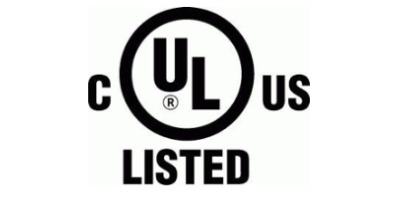
UL (Underwriters Laboratories) has been testing products for safety since the 1890s. It also writes many of the safety standards used across the industry, including the ones for commercial cooking appliances and refrigeration. A UL Listed mark means UL tested the product to those standards and keeps checking the factory.
What Is ETL?
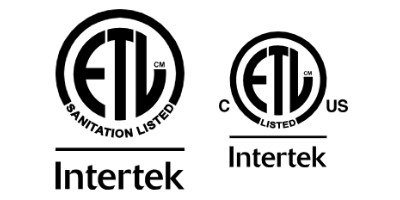
The ETL mark comes from Intertek, a global testing company whose roots go back to a lab Thomas Edison started. ETL doesn't write its own standards. Instead, it tests products to the same UL, ANSI, and CSA standards other labs use. An ETL Listed mark means the product passed those tests and gets the same ongoing factory checks.
ETL vs UL: Is One Better?
No. Both labs test to the same safety standards, and both marks are accepted by OSHA, building inspectors, and fire marshals across the US. A UL Listed fryer and an ETL Listed fryer have met the same safety requirements.
| UL Listed | ETL Listed | |
| Tested by | Underwriters Laboratories | Intertek |
| Writes its own standards | Yes | No, tests to UL, ANSI, and CSA standards |
| OSHA recognized (NRTL) | Yes | Yes |
| Ongoing factory inspections | Yes | Yes |
| Accepted by US inspectors | Yes | Yes |
The main differences are on the manufacturer's side, like testing cost and turnaround time. That's why some brands use UL and others use ETL. For you as the buyer, either mark tells you the equipment passed the same tests.
What About "c" and "us" on the Mark?
You may see small letters next to the logo. A "c" means the product is certified for Canada, and "us" means it's certified for the United States. A mark with both is approved for use in either country.
Listed vs Recognized vs Classified
UL uses a few different terms, and they don't all mean the same thing:
- Listed: The complete product was tested and meets safety standards. This is what you want on a finished piece of equipment.
- Recognized: A part inside the product (like a motor or switch) was tested, not the whole unit.
- Classified: The product was tested for one specific property or use, such as fire resistance.
If you're checking a spec sheet, look for the word "Listed" or "Certified" for the full unit.
How Is This Different From NSF?
UL and ETL cover safety: shock, fire, and gas hazards. NSF covers sanitation: whether the equipment can be cleaned properly and is safe for contact with food. Most commercial kitchen equipment needs both. An inspector may check the UL or ETL mark, and the health department will usually look for NSF.
Why It Matters for Your Business
Inspections: Building inspectors and fire marshals expect equipment to carry a safety mark from an NRTL. Unlisted equipment can hold up a new opening or a remodel.
Insurance: Many insurers look for listed equipment. If a fire starts from an unlisted unit, a claim can get more complicated.
Staff safety: Listed equipment has been tested to lower the risk of shocks, burns, and fires in a busy kitchen.
Resale value: Listed, commercial-grade equipment is easier to sell or trade in later.
How to Check if Equipment Is Listed
- Look at the data plate on the unit. It's usually on the back, side, or inside the door.
- Check the spec sheet on the product page. Certifications are usually listed near the electrical or gas specs.
- Search the lab's online directory. UL has Product iQ, and Intertek has its ETL directory. You can look up the manufacturer and model number.
Be careful with low-cost equipment sold online with no clear safety mark. Some carry marks that look similar but aren't from a recognized lab.
Frequently Asked Questions
Is ETL as good as UL? Yes. Both are OSHA-recognized labs that test to the same safety standards, and US inspectors accept both.
Do I need UL or ETL listed equipment in my restaurant? In most areas, yes. Local codes generally require commercial electrical and gas equipment to be listed by a recognized testing lab.
Can a product have both NSF and UL or ETL? Yes, and most commercial equipment does. They cover different things, so you'll often see both marks on the same unit.
Is residential equipment listed for commercial use? Not usually. A home appliance can be UL Listed for home use but not for commercial kitchens, which have tougher standards.
Shop Listed Commercial Equipment
The equipment we carry comes from trusted foodservice brands, and you can find certifications on each product's spec sheet. Not sure what your kitchen needs? Contact our team and we'll help you find the right fit.