Nonstick Pan Alternatives for All Kitchens
- Apr 7, 2026

When kitchens start moving beyond traditional nonstick cookware, it’s rarely about just one factor. Durability, cooking performance, and growing awareness around coatings all play a role. Today, there are several reliable alternatives that deliver excellent results - many without relying on synthetic nonstick layers at all.
Why Look Beyond Traditional Nonstick
Nonstick pans are popular for a reason - they’re easy to use and simplify cleanup. But in both commercial and home kitchens, they tend to have a shorter lifespan. High heat, metal utensils, and frequent use can wear down the coating over time.
At the same time, more buyers are paying attention to what those coatings are made from. This has brought increased attention to materials, manufacturing processes, and long-term exposure to certain chemicals.
Understanding PFAS and Modern Nonstick
A key topic in cookware today is PFAS (per- and polyfluoroalkyl substances). This is a broad group of chemicals used in many industries, including some nonstick coatings, because of their resistance to heat, oil, and water.
Older nonstick products were often associated with PFOA, a specific chemical that has since been phased out of cookware manufacturing in many regions. Most modern nonstick pans are labeled PFOA-free, which addresses that particular concern.
However, PFAS as a category is broader than just PFOA. Some consumers and operators prefer to avoid these substances altogether, especially in high-heat or high-volume cooking environments. As a result, cookware materials that do not rely on coatings - like carbon steel, cast iron, and stainless steel - have become increasingly popular alternatives.
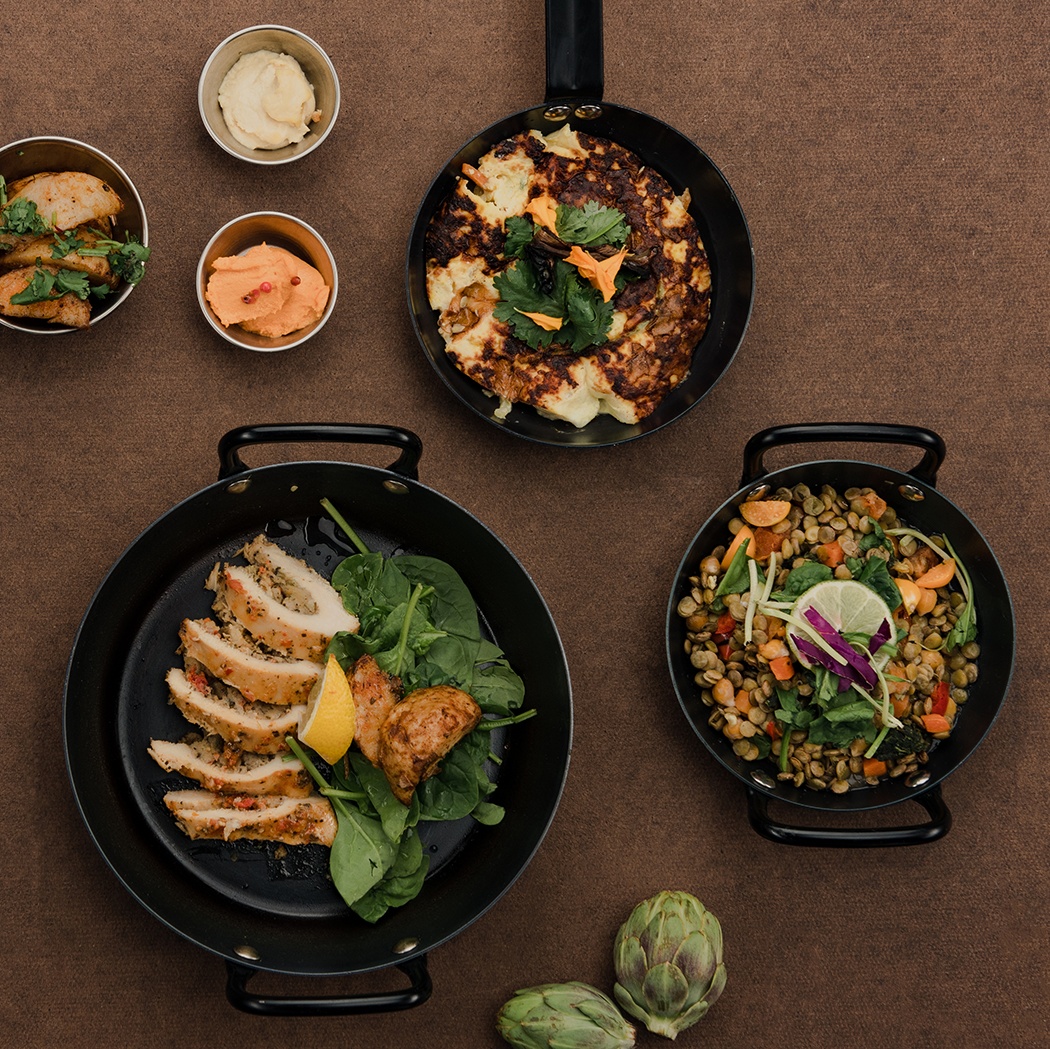
Carbon Steel: Closest to Nonstick Performance
Carbon steel is often the first recommendation when replacing nonstick pans. It’s widely used in professional kitchens because it combines responsiveness with durability.
When seasoned properly, carbon steel develops a naturally slick cooking surface that can handle delicate foods like eggs or fish. It also performs well at high temperatures, making it suitable for searing, sautéing, and even oven use.
Unlike coated pans, there’s no layer to chip or peel. The surface improves with use, making it a long-term solution rather than a short-term convenience.
Cast iron offers many of the same benefits as carbon steel, with even greater heat retention. It holds temperature exceptionally well, which is ideal for consistent browning and slow cooking.
Like carbon steel, cast iron builds a natural nonstick surface through seasoning. With proper care, it can last for generations without relying on any synthetic coating.
Its weight and slower heat response may not suit every task, but for durability and longevity, it remains one of the strongest alternatives available.
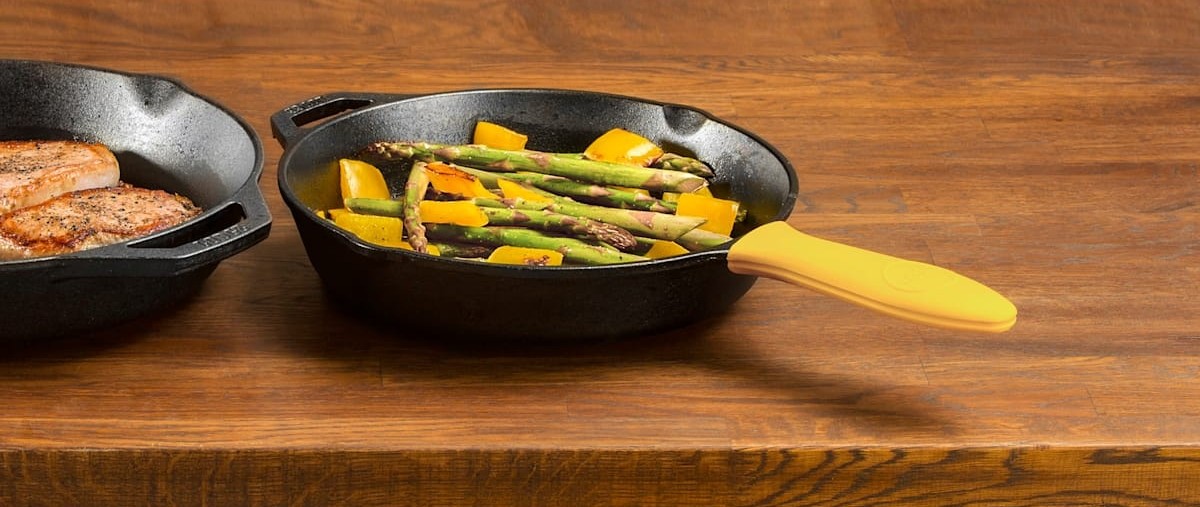
Ceramic Cookware: Coated but Different
Ceramic cookware provides a nonstick-like experience without traditional fluoropolymer coatings. Instead, it uses a silica-based surface that creates a smooth cooking layer.
Many ceramic options are marketed as PFAS-free, making them appealing to those looking to avoid those substances. They’re easy to use and require less maintenance than seasoned cookware.
That said, ceramic coatings can wear down over time, especially in demanding environments. While they offer convenience, they may not match the lifespan of carbon steel or cast iron in heavy-use kitchens.
Stainless Steel: No Coating, Maximum Versatility
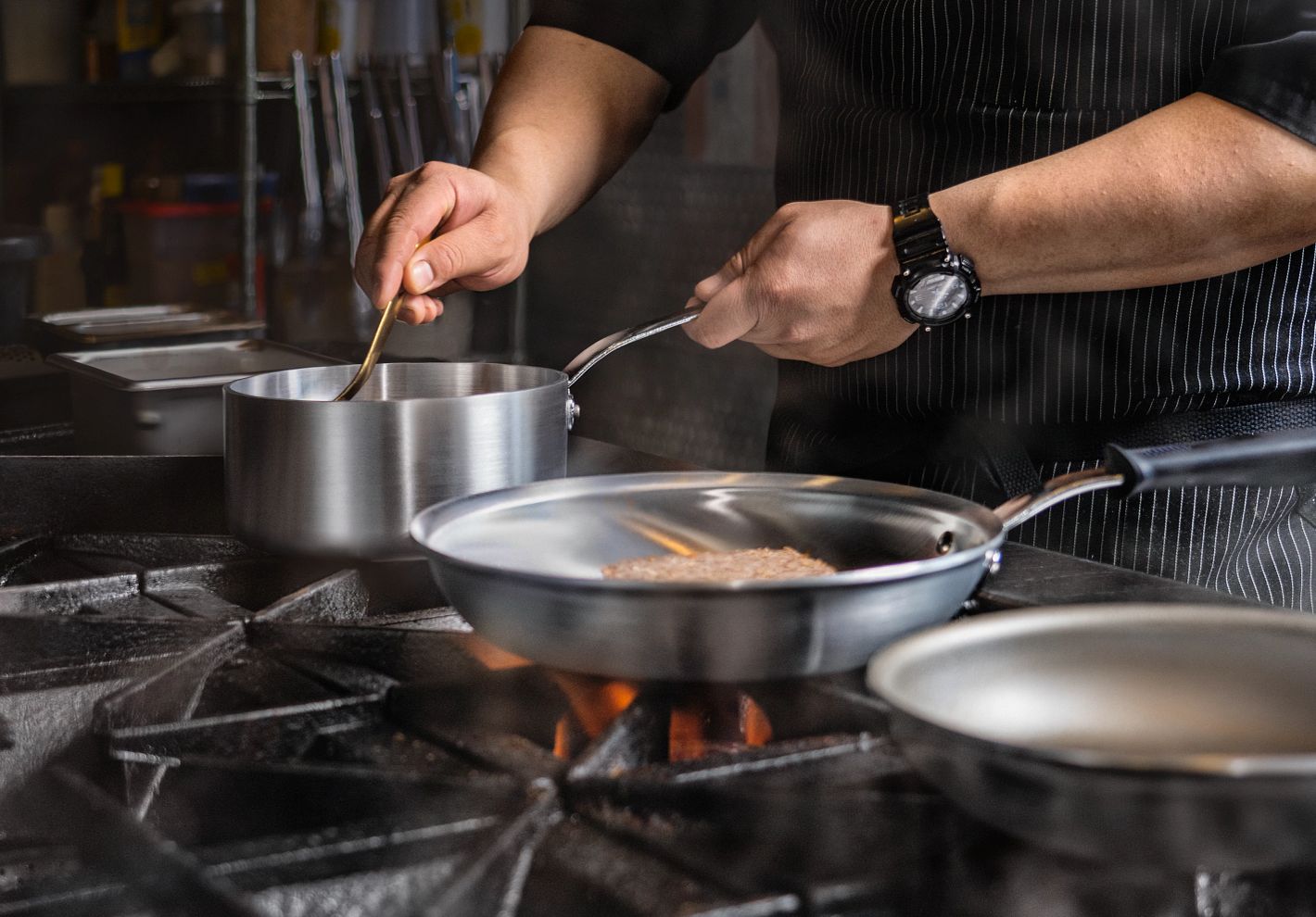
Stainless steel is a staple in commercial kitchens for a reason. It contains no coating at all, making it a straightforward option for those looking to avoid nonstick surfaces entirely.
While it doesn’t have a naturally slick finish, proper technique—preheating the pan and using the right amount of oil—can prevent sticking and deliver excellent results.
It’s also highly durable, resistant to corrosion, and capable of handling high heat, making it one of the most versatile cookware materials available.
Aluminum Cookware
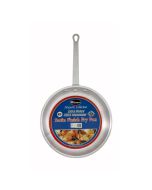
Lightweight and fast-heating, aluminum is another strong alternative to traditional nonstick pans. Hard-anodized aluminum, like Vollrath with Wear-Ever pans, offers a durable, non-reactive surface that holds up under heavy use and provides reliable cooking performance without Teflon or other synthetic coatings.
Are There Safer Nonstick Options?
Many modern nonstick pans are manufactured without PFOA and meet current safety standards. For many users, these products perform well when used within recommended temperature ranges and replaced as they wear.
However, for those aiming to minimize exposure to PFAS altogether, alternatives without coatings provide a clear path forward. The decision often comes down to balancing convenience with longevity and material preference.
Choosing a Healthier Cookware Setup
Rather than relying on a single type of pan, many kitchens benefit from a combination of materials:
- Carbon steel for everyday cooking and high-heat performance
- Cast iron for heat retention and durability
- Stainless steel for versatility and no-coating reliability
- Ceramic for ease of use when a nonstick-like surface is preferred
- Aluminum for lightweight, fast-heating, and durable nonstick alternatives
This approach allows you to match the cookware to the task while reducing reliance on traditional nonstick coatings.
A Practical Shift, Not a Compromise
Moving away from traditional nonstick cookware doesn’t mean giving up convenience - it just means using different tools and techniques. In many cases, these alternatives offer better longevity and consistent performance, especially in demanding kitchen environments.
With a better understanding of materials, coatings, and PFAS considerations, it becomes easier to choose cookware that aligns with both cooking needs and long-term preferences.