Blast Chillers Explained – What They Are and How They Work
- Mar 11, 2026

In a busy commercial kitchen, speed and food safety are critical. Restaurants, bakeries, caterers, and institutional kitchens often need to cool hot food quickly without sacrificing quality or safety. This is where blast chillers become an essential piece of equipment.
Blast chillers rapidly reduce the temperature of cooked food, helping kitchens maintain food safety standards while preserving texture, flavor, and freshness. In this guide, we’ll explain what a blast chiller is, how blast chilling works, and why many professional kitchens rely on this technology.
What Is a Blast Chiller?
A blast chiller is a specialized refrigeration appliance designed to rapidly lower the temperature of hot food. Unlike a traditional refrigerator that gradually cools food over several hours, this type of rapid chilling equipment uses powerful fans and a high-performance refrigeration system to circulate extremely cold air around food.
This fast cooling process allows hot food to pass through the temperature danger zone much more quickly than with standard refrigeration, helping kitchens maintain food safety while preserving product quality.
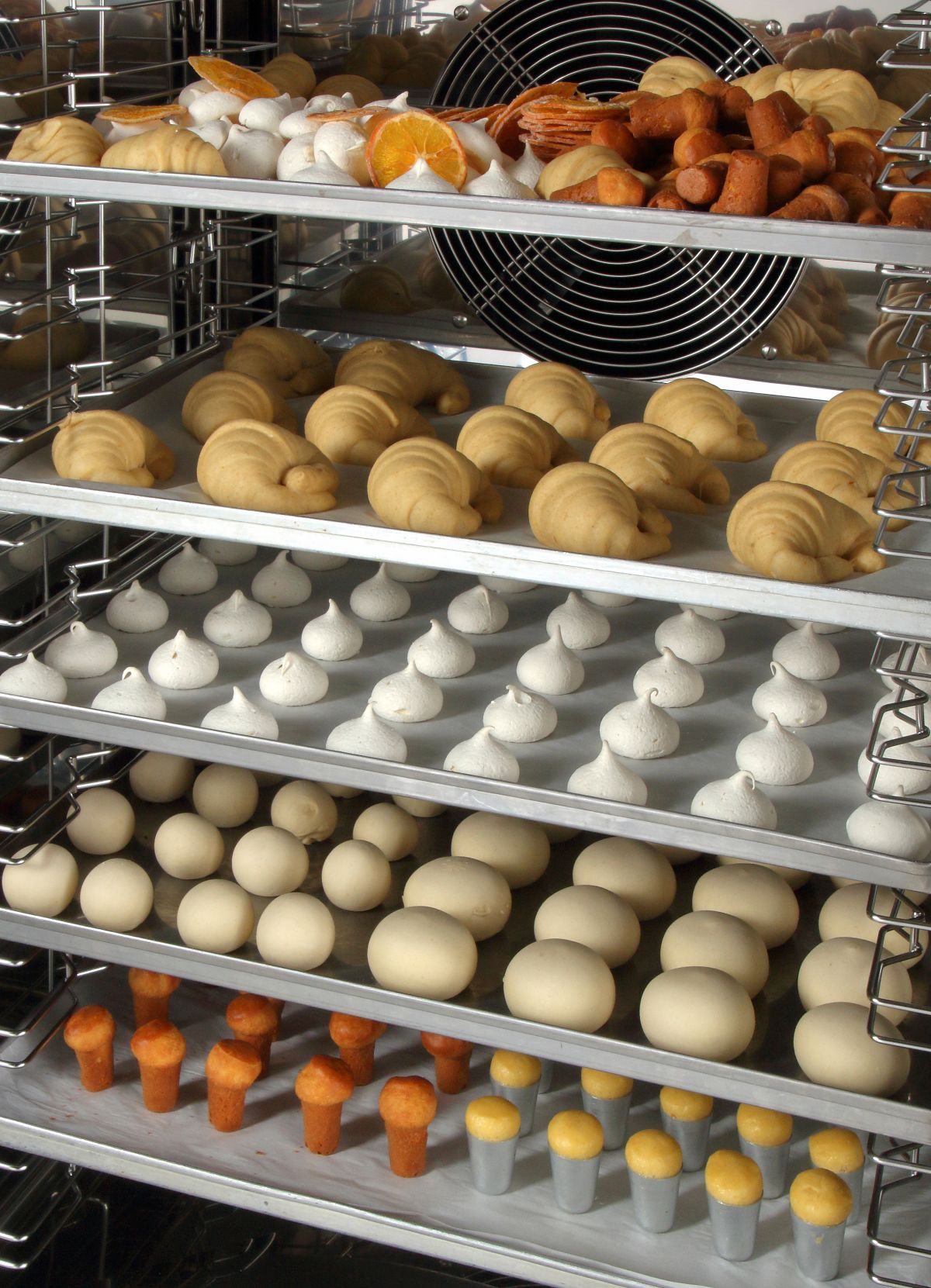
In foodservice operations, blast chillers are commonly used to prepare food in advance and quickly cool large batches of soups, sauces, and stocks. They are also ideal for chilling cooked meats and seafood, preparing desserts and baked goods, and helping preserve food quality during storage by rapidly bringing products down to safe temperatures.
Because blast chillers reduce cooling time dramatically, they help kitchens improve efficiency while meeting food safety guidelines.


Why Not Use a Regular Freezer?
A standard freezer is designed for storing already-cooled food, not for rapidly chilling hot products. Placing hot food in a regular freezer can raise the temperature inside the unit, slowing the cooling process and putting other stored food at risk. It also keeps the food in the temperature danger zone for too long, which can compromise safety and quality. Blast chillers solve this by rapidly lowering the temperature without affecting other products, ensuring both food safety and optimal quality.
How Does a Blast Chiller Work?
A blast chiller works by combining very cold air with high-speed airflow to remove heat from food quickly.
The process typically works like this:
- Hot Food Is Placed Inside the Unit
Cooked food is placed in shallow pans or trays and loaded into the blast chiller racks. The unit is designed to hold multiple pans while allowing air to circulate freely around them. - Powerful Fans Circulate Cold Air
High-speed fans push extremely cold air across the food surface. This constant airflow removes heat much faster than static refrigeration. - Rapid Heat Transfer
Because cold air is continuously moving across the food, heat transfers out of the food quickly. This dramatically reduces cooling time. - Safe Temperature Is Reached
The blast chiller brings food from hot cooking temperatures down to safe refrigeration temperatures within a short period of time.
Once chilled, food can be safely stored in refrigerators, reheated later, or prepared for service.
How Does Blast Chilling Reduce Temperature So Quickly?
Blast chilling works faster than standard refrigeration because it dramatically accelerates heat removal and cooling. This is achieved through three key factors:
High Air Velocity
Traditional refrigerators rely on slow air circulation. Blast chillers use powerful fans that move cold air at high speed around the food.
Lower Operating Temperatures
Blast chillers operate at much colder temperatures than typical refrigerators, allowing them to remove heat faster.
Maximum Surface Exposure
Food is typically placed in shallow pans, which increases surface area and allows cold air to contact more of the food.
Benefits of Using a Blast Chiller
Blast chillers provide several advantages for commercial kitchens:
Improved Food Safety
Rapid cooling reduces the time food spends in the temperature danger zone, helping kitchens meet food safety standards.
Better Food Quality
Quick chilling preserves texture, moisture, and flavor better than slow cooling.
Efficient Batch Cooking
Kitchens can cook large batches in advance and chill them for later use.
Reduced Food Waste
Faster cooling helps extend product shelf life.
Improved Kitchen Workflow
Staff can prepare menu items ahead of time, reducing pressure during busy service periods.
Atosa Blast Chillers Available at Rapids Wholesale
At Rapids Wholesale, we offer reliable blast chilling solutions designed specifically for professional kitchens. These units are built to handle the demands of restaurants, bakeries, catering operations, and other foodservice environments that require consistent temperature control.
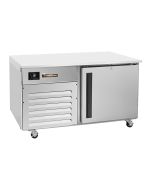
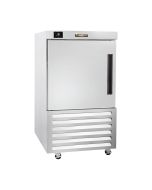
Atosa blast chillers deliver powerful cooling performance with durable stainless steel construction and easy-to-use digital controls. They allow kitchens to rapidly reduce temperatures, helping maintain food safety and quality.
These units are also designed to accommodate multiple trays, making batch chilling simple and efficient. With energy-efficient operation and precise temperature control, Atosa blast chillers provide a dependable solution for any commercial kitchen looking to streamline workflow and preserve product quality.
Is a Blast Chiller Right for Your Kitchen?
Blast chillers are ideal for operations that produce food in large batches or need to prepare items ahead of service. If your kitchen frequently cools soups, sauces, meats, or prepared meals, a blast chiller can significantly improve efficiency and food safety. They are especially valuable for:
- Restaurants and commercial kitchens
- Bakeries and pastry operations
- Catering companies
- Hospitals and healthcare kitchens
- Schools and institutional foodservice
Blast chilling allows professional kitchens to cool food quickly, maintain quality, and ensure food safety. The team at Rapids Wholesale can help you choose the right model for your kitchen and workflow. Explore our blast chillers or contact us for expert guidance.